

Dry eye syndrome affects approximately 16 million Americans, with many seeking the best solutions for dry eyes in the morning and experiencing symptoms that often intensify during nighttime hours. The condition can manifest differently throughout the day, causing various levels of discomfort, burning sensations, irritation, and vision problems.
Understanding Eye Moisture
Your eyes maintain their health through a complex three-layer tear film consisting of lipids, water-based fluid, and mucus. When any component of this system becomes disrupted, dry eye symptoms can develop. The condition typically stems from either insufficient tear production or rapid tear evaporation.
Common Causes of Nighttime Dry Eyes
Several factors contribute to evening and nighttime dry eye symptoms:
Age-Related Changes
Individuals over 65 commonly experience dry eye symptoms as tear production naturally decreases with age.
Hormonal Influences
Life stages and conditions affecting hormones, including pregnancy, birth control use, and menopause, can impact tear production capabilities.
Medical Conditions
Various health issues may trigger dry eyes, including:
- Sjögren’s syndrome
- Glaucoma
- Diabetes
- Thyroid disorders
Sleep Position and Eyelid Closure
Some individuals experience nocturnal lagophthalmos, a condition where eyelids don’t fully close during sleep, preventing proper moisture retention.
Medication Effects
Certain medications, particularly antihistamines and antidepressants, may decrease tear production as a side effect.
Digital Lifestyle Impact
Extended screen time significantly affects eye health by reducing blink frequency. This digital strain often becomes more noticeable during evening hours after a full day of computer use.
Treatment Approaches: Professional Medical Solutions
Healthcare providers may recommend:
- Artificial tear drops for immediate relief
- Nighttime ointments or gels for extended moisture
- Prescription medications like cyclosporine or lifitegrast
- Tear duct plugs to prevent moisture loss
- Surgical intervention for severe cases
Natural Remedies and Lifestyle Changes
Consider these practical solutions:
- Install a bedroom humidifier to maintain air moisture
- Practice regular screen breaks using the 20-20-20 rule
- Ensure proper hydration throughout the day
- Maintain good eyelid hygiene with gentle cleansing
- Consider essential nutrient intake, including omega-3s and vitamins A, D, and B12
Prevention Strategies
To minimize dry eye discomfort:
- Wear protective eyewear outdoors
- Maintain proper screen positioning
- Consider switching from contacts to glasses in the evening
- Create a moisture-friendly sleep environment
When to Seek Professional Help
While occasional dry eye symptoms are common, persistent issues warrant medical attention. Consult an eye care professional if:
- Symptoms remain despite using artificial tears
- Vision becomes consistently blurry
- Discomfort significantly impacts daily activities
- Traditional remedies provide minimal relief
Optimal Sleep Practices
Research indicates that sleeping position can affect dry eye symptoms. Back sleeping, combined with appropriate treatment methods, may help reduce nighttime discomfort.
Long-term Management
Successful management of dry eyes typically requires a combination of:
- Regular eye examinations
- Consistent use of recommended treatments
- Environmental modifications
- Lifestyle adjustments
- Proper nutrition and hydration
Remember that everyone’s experience with dry eyes differs, and what works for one person may not work for another. Working with healthcare providers to develop a personalized treatment plan often yields the best results.

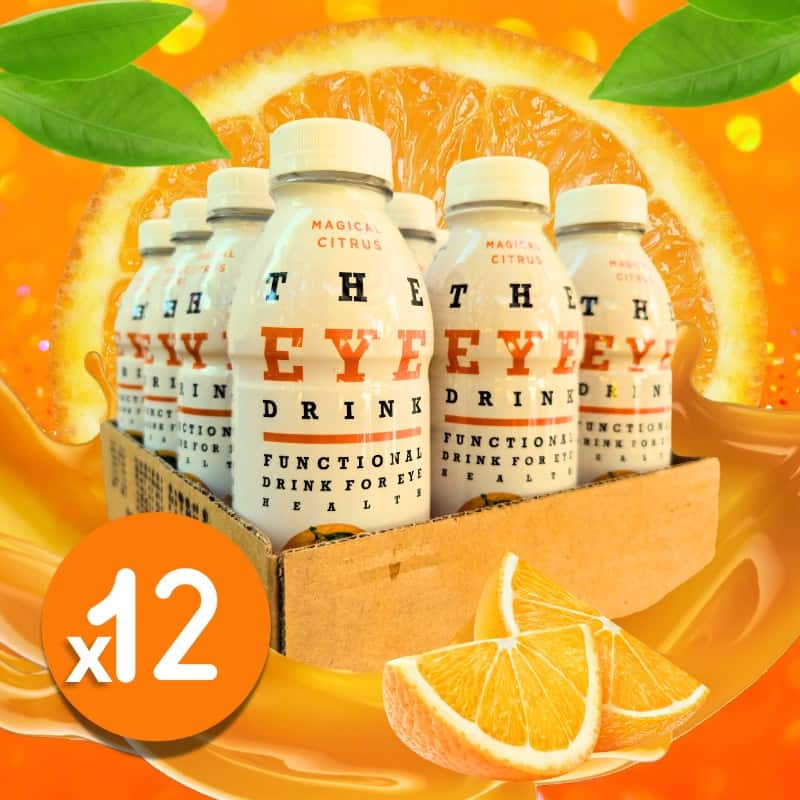
Revolutionary Relief: The Eye Drink
In the quest for optimal eye comfort during long screen sessions, THE EYE DRINK emerges as a game-changing solution. This innovative eye care product specifically targets digital eye strain with its advanced dual-action formula. Unlike traditional eye drops, THE EYE DRINK provides sustained relief throughout your entire workday.
Choose between two refreshing variants designed for different preferences:
Strawberry Lemonade
Experience the soothing comfort of this unique blend, featuring a gentle berry essence that makes eye care a pleasant ritual. Its specialized formula combines natural moisturizers with advanced hydration technology, perfect for marathon coding sessions or extended virtual meetings.

Magical Citrus
Invigorate tired eyes with this energizing citrus-infused formula. The refreshing sensation provides immediate relief while delivering long-lasting moisture. It’s particularly effective during intense gaming sessions or late-night work deadlines.
FAQ
Both versions incorporate cutting-edge Blue Light Protection Technology, making THE EYE DRINK your ideal companion for digital life. The specialized formula not only relieves immediate discomfort but also helps protect your eyes from future strain.
Whether you’re a professional spending hours at your computer, a student attending virtual classes, or a gaming enthusiast, THE EYE DRINK offers the perfect solution for modern digital lifestyle demands.
Is dry eye worse in morning or night?
Many people experience worse symptoms at night due to reduced blinking during screen use and natural decreased tear production. However, some may feel more discomfort in the morning if they sleep with partially open eyes or in dry environments.
What are the two types of dry eyes?
The two main types are aqueous deficient dry eye (reduced tear production) and evaporative dry eye (tears evaporate too quickly). Evaporative is more common, affecting about 86% of dry eye cases, often due to meibomian gland dysfunction.
Is daily or monthly better for dry eyes?
Daily contact lenses are generally better for dry eyes because they’re replaced every day, reducing deposit buildup and maintaining better oxygen flow. Fresh lenses also ensure optimal moisture and comfort without accumulated proteins or debris.
Which eye drop is best for dry eyes?
For immediate relief, preservative-free artificial tears like THE EYE DRINK offer superior comfort with its dual-action formula. Available in Strawberry Lemonade and Magical Citrus, it provides long-lasting hydration while protecting against digital eye strain.
0 Comments
Trackbacks/Pingbacks